Each child in every centre has a learning plan that is child specific, based on who they are and what their interests are. It is implemented and evaluated termly.
Every learning environment has an overarching environment curriculum plan which brings the bigger picture of learners together, identifying groups of learners' needs, interests, curiosities, cultures and community happenings.
This is how we intentionally plan for children to support their progress over time.
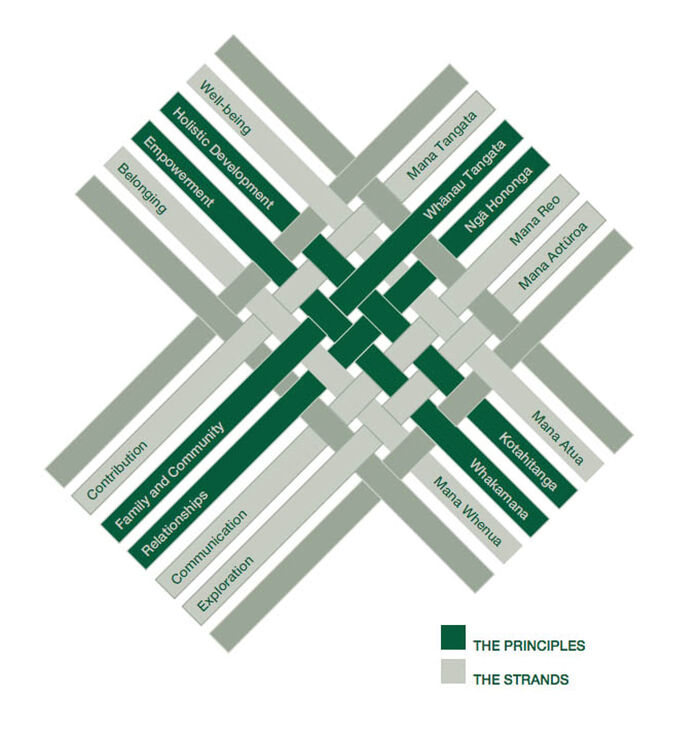
Our curriculum is intentional planned and spontaneous learning through play and our curriculum is Te Whariki.Te Whariki is the mat that underpins our learning. It is what makes our learning possible and meaningful. To learn more about Te Whariki, what it is and its purpose, please click here.
To read more about what learning through play looks like, carry on reading.
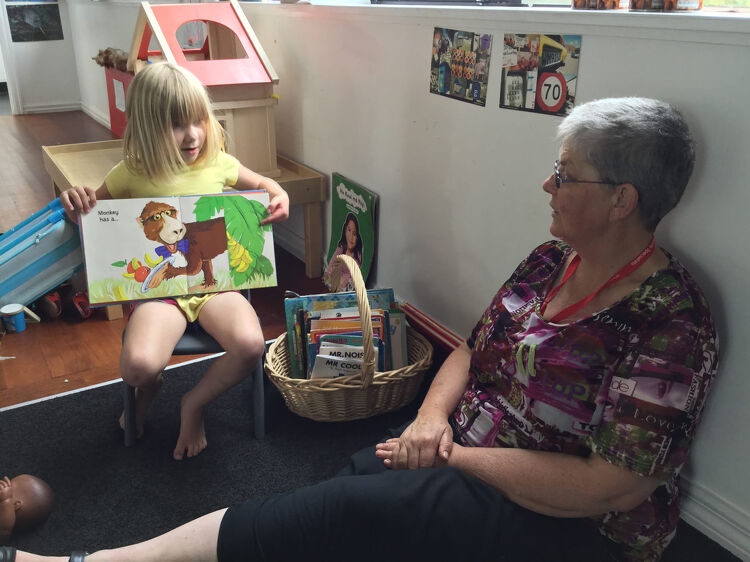
We use engagement and encouragement strategies through arts and crafts, music, dance, role play, dramatic play, construction, messy pay, sand pit, clay, dough, dens, forts, race tracks, puzzles, games, stories, excursions. The activities, experiences and opportunities are endless and the learning is too.
Intentionally planning for learning through play works because we know how much more easily we grasp new ideas, learn new things, develop and grow when we are engaged in what we want to be doing. Learning styles are individual and interests are individual, so it’s motivating. The foundation for all core learning and curriculum areas flow through play in early childhood. Here are some of the ways...
Physical Development
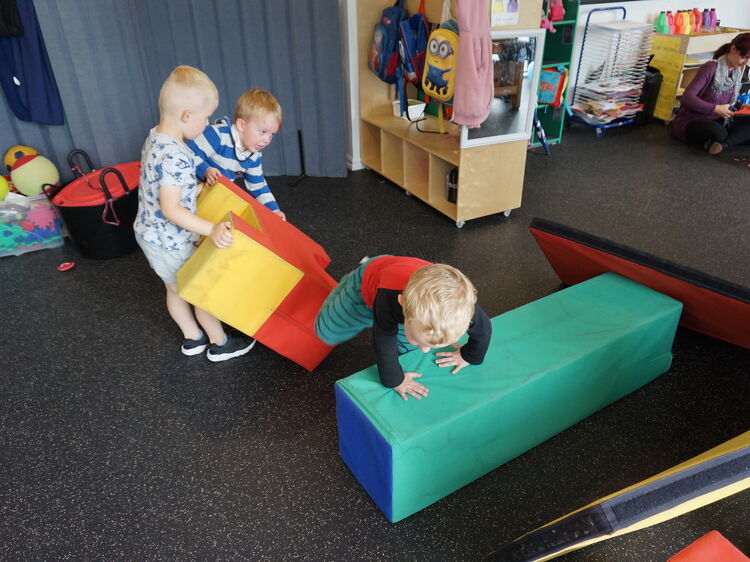
We support physical development in every moment as we move around the rooms, negotiating tables and chairs, shelves, stairs and people. We intentionally plan and set up bigger challenges of obstacle courses, climbing equipment and support the challenges they give their bodies when they need to figure out how to get their cars down that hole they dug in the sandpit! It’s dancing, racing and performing. It's also the fine motor skills of negotiating a puzzle piece, threading a bead, playing with dough, learning to use cutlery and a range of other implements.
Mathematical Development
There is maths in everything, so we encourage and support; counting in cooking, walking, lining up cars, adding coloured squares to a collage, washing babies. There are shapes in the windows, sandwiches, door knobs, plug holes, house roofs and everywhere. Spatial concepts are learnt through where they stand, go through an obstacle course or hang upside down on the climbing frame. We show tamariki how to group, order, sequence, add and subtract in everything they use, put away and take out. We talk about measurement when they compare their heights, fill a small beaker from a large pot, watch how far their balls, kites and paper planes will fly. You name it, together we will count it, measure it, describe it, observe it and problem solve it. We demonstrate this as they play, because our teachers notice and draw their attention to it as they work.

Language, Communication and Literacy
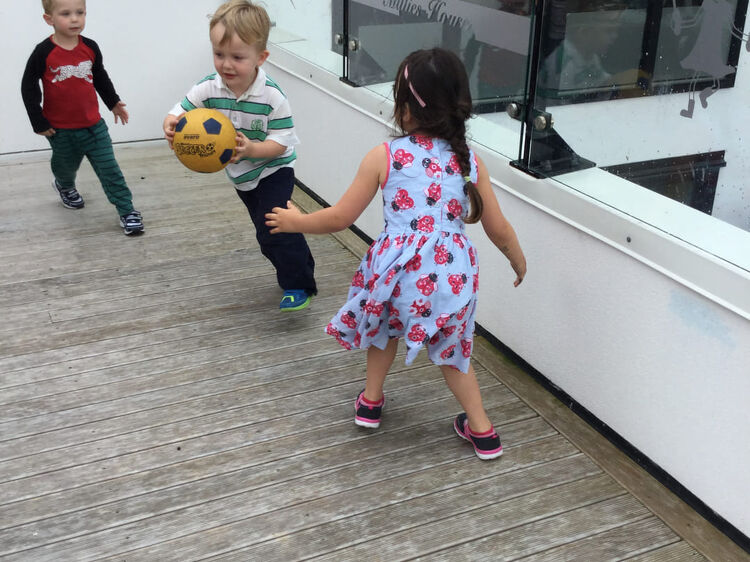
Language, communication and literacy are underpinning everything we set up and support with. With tamariki, we are talking through what they do, supporting learning of new words and language as we play. We point out the written word, symbols and signs all around them in their walks in the community, in our labels at the centre, in the stories we read together and support their first attempts at recognising words and writing them.
They learn to retell a story and then enhance their story telling further by adding a picture to it. They show their first stages in literacy when they role play or attempt writing. They learn that writing has meaning from the books they read and can be used to share factual and fictional information. They relate to writing personally when they ask their teachers to write their names on their work or when they attempt to write their own names.
Scientific thought
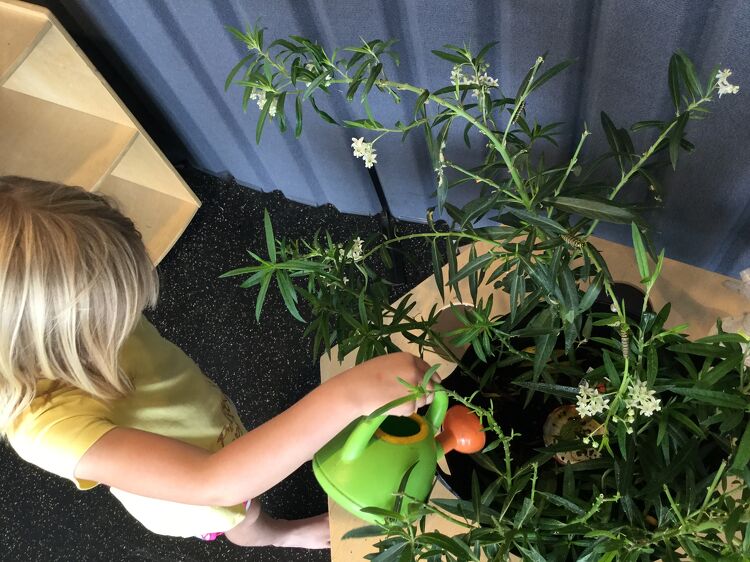
There is science throughout their play. We support tamariki to predict what will happen when they race their cars and compare their predictions to the outcomes. We create experiences for them to discover what happens when they mix red and blue paint. Sometimes we are lucky enough to be able to point out and watch the life cycles of monarchs as they flutter into our garden in the summer and start their lifecycle in our garden, promoting research and finding out more about it. We point out what happens when we mix water to dry sand, see the texture change and then dry back to dry loose sand. We combine edible and some inedible ingredients in baking and watch the change as each ingredient is added and then watch it cook into a totally different and fully edible substance. We use this learned knowledge to talk about what they know and predict what they don't yet have the answers to.
Social Competence
Developing social competence is a key part of early childhood education. It is challenging and unpredictable for tamariki and kaiako too.
Friendships, relationships and understanding the impact of others actions on them, and the impact of their actions on others, is learned and discussed through their supported play.
Tamariki learn to share, take turns, negotiate, compromise and understand how their actions will be received, and how to manage themselves in receiving the actions of others. They learn that they all have different communication styles, needs and characteristics. Some of our tamariki have specific learning challenges and they can be a challenge to others.
We don't shame tamariki, we learn how to work together.
A sense of Whakamana - Empowerment runs with our children through their encouraged independence, self-help skills, feeling of worth and excitement in lifelong learning. Learning to take responsibility for blowing their own noses, independent toileting, serving their own food, taking their own plates from the table, washing hands and faces are the starting blocks of self-care and independence. In play, selecting their own resources, sharing their own ideas and expressing their needs and opinions, all develop a sense of Mana Atua -Well-being as they are empowered to both recognise and share with others what they need and what others might need of them.
These are some of the aspects of our learning and development, but not all. All of our learning is carried out with attention to kohikitanga- holistic development.
So don't expect our learning to be a tidy process! We do learn to pack up and put away what we have finished with, but it can take time to finish. We appreciate our ability to wallow in our interests and are thankful that early childhood education in New Zealand allows us deep learning in creative, innovative and empowering ways.